Hyper-Personalization: When Your Appliances Know You Better Than You Do
Remember when a “smart” appliance just meant you could start your washing machine from your phone? Honestly, that feels like ancient history now. We’re moving past simple remote control and entering an era of true intelligence—where your home doesn’t just listen to commands, but anticipates needs, adapts to context, and learns your quirks. This is the world of AI and sensor-driven appliance customization. It’s not just automation; it’s a kind of domestic symbiosis.
Beyond the App: The Brains and Senses of Modern Appliances
So, what’s the deal here? Well, hyper-personalization in appliances is built on two core pillars: artificial intelligence (AI) and a suite of sophisticated sensors. Think of it this way: the sensors are the eyes, ears, and fingertips of the appliance, constantly gathering data. The AI is the brain, processing that information, spotting patterns, and making decisions.
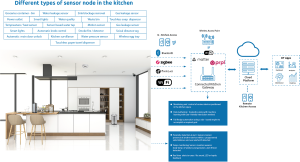
We’re talking about more than just a temperature probe or a weight sensor. Modern units might include:
- Optical sensors and cameras that can identify food types, doneness, or even brand labels.
- Gas sensors that detect the composition of the air to perfect cooking or ensure freshness.
- Vibration and acoustic analysis to diagnose an unbalanced laundry load or a failing motor before it breaks.
- Environmental sensors that track humidity, ambient light, and room temperature.
This sensor fusion creates a rich, real-time data stream. And that’s where the machine learning algorithms come in. They chew through this data, learning from your habits to create a bespoke experience. It’s a continuous feedback loop of observation, learning, and adaptation.
Real-World Magic: How This Plays Out in Your Home
Okay, enough theory. Let’s dive into what this actually looks like in your kitchen or laundry room. The applications are, frankly, getting a little mind-blowing.
The Refrigerator That Manages Your Health
Imagine a fridge that does more than keep things cold. Using internal cameras and image recognition, it can track inventory, suggest recipes based on what’s about to expire, and even flag when you’re low on staples. But it goes deeper. By recognizing the food you buy—and, crucially, the food you don’t eat—it can gently nudge you toward healthier choices. Pair that with a smart scale or wearable integration (with your permission, of course), and it could suggest meal plans aligned with your fitness goals. It’s less of an appliance and more of a silent nutritionist.
The Oven That Can’t Burn Dinner
We’ve all been there. You slide a frozen pizza in the oven, set a timer, and get distracted. Hyper-personalized ovens solve this. A camera inside watches your food. Combined with temperature and moisture sensors, the AI doesn’t just cook for a set time—it cooks to a visual and textural result. It knows when your lasagna is perfectly bubbly or your roast chicken is golden, not just when it hits 165°F internally. It learns that you like your cookies slightly chewy in the center and adjusts accordingly. The result? Consistently perfect results, tailored to your taste, not just a recipe book.
The Laundry System That Cares for Your Clothes
Laundry is a chore, sure. But what if your washer and dryer became fabric guardians? Sensors can detect the fabric type and soil level of each load. The AI then cross-references this with your past cycles—did you air-dry that linen shirt last time?—and automatically selects the perfect wash, rinse, spin, and dry cycle. It might even dispense the ideal detergent amount. Over time, it learns that your workout clothes need a sanitizing boost while your wool sweaters require a feather-light touch. It’s about garment longevity, not just cleanliness.
The Trade-Off: Convenience vs. Data Privacy
Here’s the thing, though. All this intelligence requires data. A lot of it. And that data is intensely personal—it’s a digital footprint of your diet, your health, your daily routines, even when you’re home. The convenience comes with a significant privacy conversation.
Manufacturers have to be transparent about data collection, storage, and usage. As a user, you should look for clear opt-in/opt-out controls and understand who, if anyone, has access to this data. Is it used solely on-device? Is it anonymized for broader product improvement? These aren’t casual questions; they’re essential for trust. The future of appliance customization hinges on solving this puzzle—delivering incredible personalization without feeling invasive.
| Potential Benefit | Associated Data Point | Privacy Consideration |
| Automatic grocery ordering | Fridge camera images of consumed items | Who sees your consumption habits? Can it be linked to you? |
| Health-conscious recipe suggestions | Integration with wearable fitness data | Is this health data protected under regulations? |
| Predictive maintenance alerts | Vibration & acoustic sensor data | Does this usage data get sold to third parties? |
Where Do We Go From Here? The Truly Adaptive Home
The logical endpoint of all this isn’t a collection of smart islands, but a fully integrated, adaptive home ecosystem. Your circadian rhythm, tracked by your wearable, could signal your coffee machine to brew a lighter roast if you had a poor night’s sleep. Your calendar, seeing a dinner party, could prompt your oven to preheat and your robot vacuum to clean the living room—all while your fridge suggests a cheese board based on your guests’ known preferences.
It sounds like science fiction, but the components are here today. The challenge—and the opportunity—lies in making these systems seamless, secure, and, above all, useful. Not just gadgets for gadget’s sake, but genuine partners in daily life that reduce cognitive load and create a home that feels uniquely, intuitively yours.
In the end, hyper-personalization through AI and sensors promises a shift from appliances as tools to appliances as stewards. They won’t just perform tasks; they’ll manage resources, preserve what we value, and subtly shape our habits for the better. Or at least, that’s the hope. The path forward requires us to be mindful co-creators of this future, demanding technology that serves us, not the other way around. The truly smart home won’t just know what you want—it will understand what you need, sometimes even before you do.